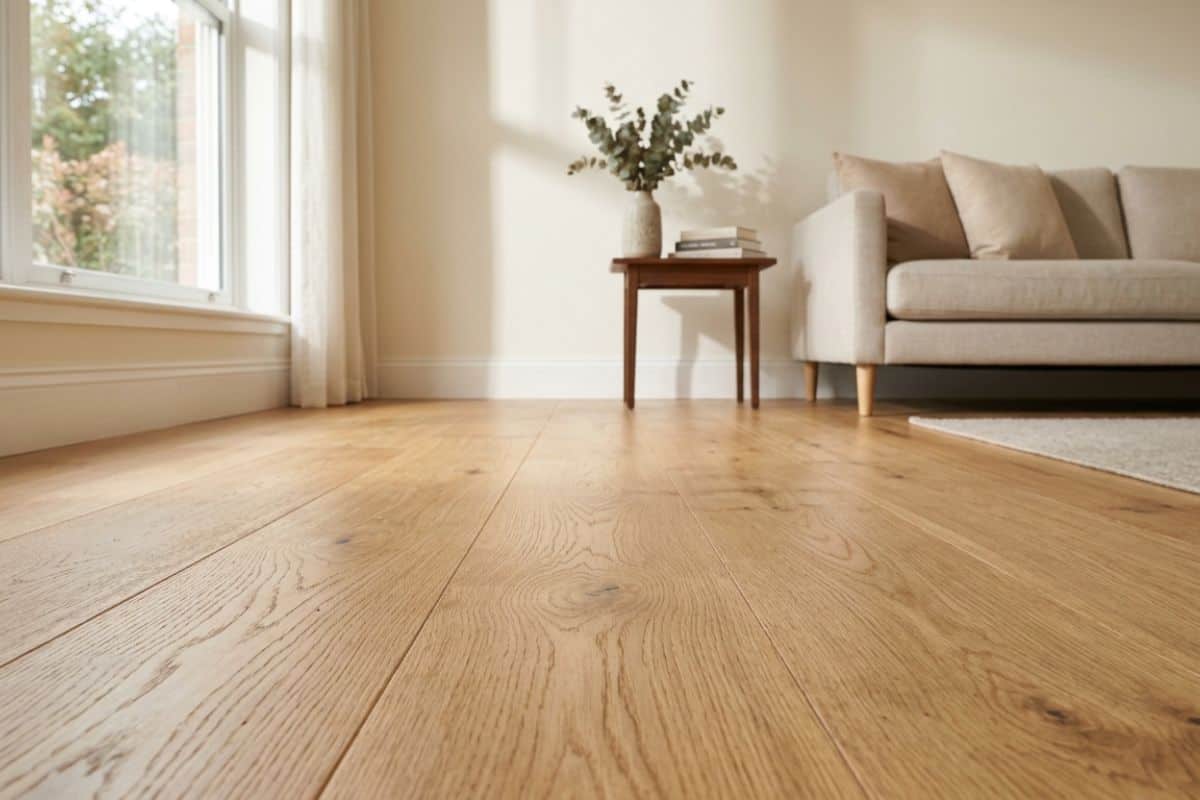
When it comes to hardwood floor cleaning vs refinishing, most Tulsa homeowners assume their tired, dull floors need a full sanding and a fresh coat of finish—when in reality, a deep professional cleaning is often all it takes to bring them back to life.
Knowing the difference can save you hundreds of dollars, days of disruption, and the heartache of unnecessarily wearing down floors that still have plenty of life left in them. The trouble is that the two services appear to solve the same problem at first glance, even though they sit at opposite ends of the spectrum in terms of cost, effort, and impact. This guide breaks it all down so you can make a confident, informed decision for your home.
What’s Actually Happening to Your Floors
Before you can choose between cleaning and refinishing, it helps to understand what your floors are really dealing with. Over time, hardwood collects a stubborn film made of everyday grime, foot traffic residue, cooking oils that drift through the air, pet dander, and the slow buildup of old cleaning products that were never fully removed. That layer dulls the natural shine, making floors look gray, cloudy, or lifeless. Crucially, this kind of damage sits on top of the protective finish, not in the wood itself.
Refinishing-level damage is different. When the polyurethane or sealant layer is genuinely worn through, you’ll see raw, exposed wood, deep scratches that catch your fingernail, water stains that have penetrated below the surface, or graying that doesn’t budge no matter how hard you scrub.
At that point, the floor’s defensive barrier has failed, and cleaning alone can’t restore what’s no longer there. The skill is in telling these two situations apart and that’s where a lot of homeowners in Tulsa, OK get it wrong, spending big on refinishing when a fraction of the cost would have done the job.
Hardwood Floor Cleaning: The Smarter First Step
Professional hardwood floor cleaning is a restorative process that lifts years of accumulated buildup without damaging the wood beneath. Using specialized equipment and pH-balanced solutions designed specifically for sealed hardwood, technicians dissolve and extract the grime that household mops push around. The result is often dramatic—floors that looked permanently dull regain their original depth and warmth in a single appointment.
The biggest advantages of cleaning are speed and value. A typical cleaning takes a few hours rather than several days, produces no dust, releases no harsh fumes throughout your home, and lets you walk on your floors again almost immediately. There’s no furniture exiled to the garage for a week and no lingering chemical smell. For structurally sound floors that are simply tired, cleaning delivers the visual transformation people think they need refinishing for, at a small fraction of the cost. It also extends the life of your existing finish, delaying the eventual need for refinishing.
Call Tulsa Kwik Dry Total Cleaning today to schedule a professional hardwood cleaning and watch your floors come back to life.
Hardwood Floor Refinishing: When You Truly Need It
Refinishing is the heavy-duty solution, and it’s exactly right when the finish itself has failed. The process involves sanding the floor down to bare wood, repairing damage, and applying fresh stain and protective coats. It’s the only option that can erase deep gouges, sand out warping, remove ingrained stains, or completely change the color of your floors. When done well, it essentially resets the clock and gives you a brand-new surface.
That power comes with trade-offs. Refinishing is expensive, time-consuming, and disruptive—your household routine gets put on hold while the work and curing take place. It’s also a finite resource: hardwood can only be sanded a limited number of times over its lifetime before it becomes too thin to refinish again. Sanding away healthy wood that didn’t actually need it is one of the most common and costly mistakes homeowners make.
Refinishing is the right choice when the finish is genuinely worn through, the damage reaches the wood, or you want to alter the floor’s appearance permanently. Outside of those situations, it’s usually overkill.
How to Decide Between the Two
The decision comes down to a few honest observations about your floors. Use these quick checks to point yourself in the right direction:
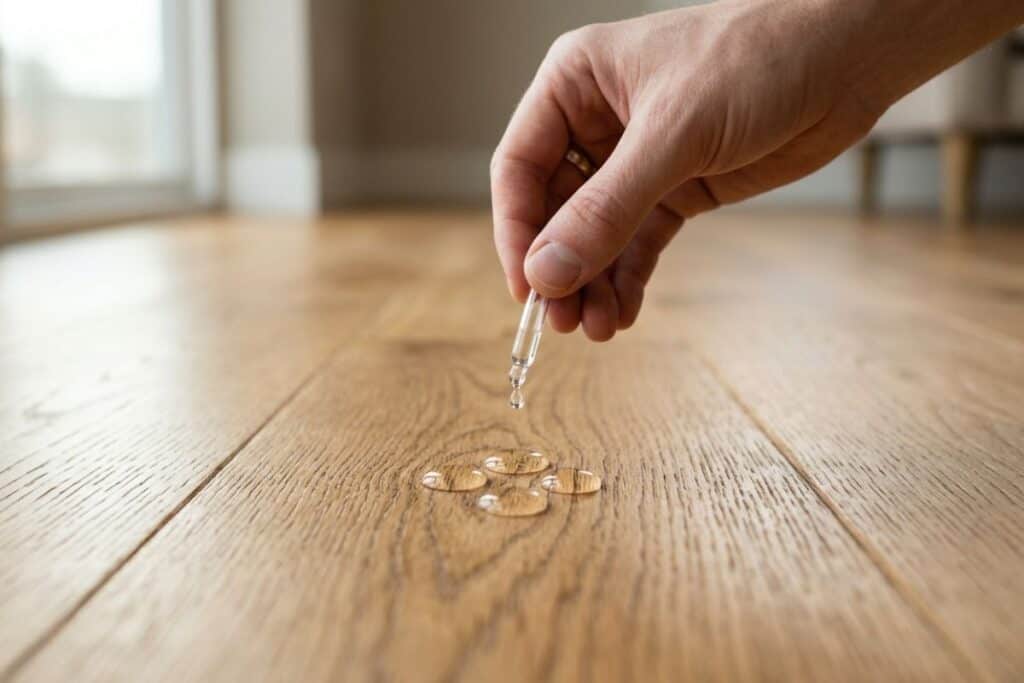
- The water-drop test: Place a few drops of water on the floor. If it beads up, your finish is intact, and cleaning is your best bet. If it soaks in within seconds, the finish has worn through, and refinishing may be needed.
- The fingernail test: Run a fingernail across a scratch. If it doesn’t catch, it’s surface-level and can be cleaned. If it catches, the damage has reached the wood.
- The clean-patch test: Wipe a small hidden area thoroughly. If it brightens up noticeably, you’re looking at buildup, not finish failure.
- The color check: Gray or cloudy floors usually mean grime; deep, blotchy discoloration that won’t clean off usually means the finish has failed.
- The goal check: If you want your floors looking great again, start with cleaning. If you want a different stain color entirely, refinishing is the only path.
In the vast majority of cases, cleaning is the smart starting point. It’s reversible, affordable, and tells you exactly how much of the problem was just dirt—often revealing that refinishing was never necessary.
Why Choose Tulsa Kwik Dry Total Cleaning
Homeowners across Tulsa, OK, trust Tulsa Kwik Dry Total Cleaning because we lead with honesty instead of upselling. We’ll never push you toward refinishing when a cleaning will do—our reputation is built on giving you the most cost-effective solution for your specific floors, not the most expensive one. Our technicians are trained specifically in hardwood care and use professional-grade, low-moisture systems that protect your wood while delivering visible, lasting results.
We also know our community. As a local Tulsa company, we understand the dust, humidity, and seasonal wear that Oklahoma homes face, and we tailor our process accordingly. We respect your time and your home, working efficiently and cleanly so you can get back to normal life fast. When you call us, you get straight answers, fair pricing, and floors that genuinely look transformed.
Conclusion
Choosing between hardwood floor cleaning and refinishing doesn’t have to be confusing. The key is recognizing whether your problem sits on the surface or in the wood itself. Surface grime, dullness, and everyday buildup call for cleaning—a faster, cheaper, less disruptive fix that restores the beauty you’ve been missing. True finish failure, serious damage, or a desire for a whole new look call for refinishing.
By starting with a professional cleaning and an honest evaluation, you protect both your floors and your wallet, and you avoid sanding away wood that still has years of life left in it. When you’re ready, the experienced team at Tulsa Kwik Dry Total Cleaning is here to help you make the right choice.
Stop guessing about your floors—contact Tulsa Kwik Dry Total Cleaning now for an honest assessment and a free quote, and let our local experts handle the rest.
Frequently Asked Questions
Can engineered hardwood be installed directly on a concrete slab?
Yes. Engineered hardwood is specifically designed for concrete because its layered, cross-stacked construction resists the swelling and shrinking that affects solid wood. The slab must first be clean, level, and tested for moisture.
Do I need a moisture barrier between concrete and engineered hardwood?
In almost all cases, yes. Concrete continuously releases water vapor, so a vapor retarder or a moisture-control adhesive is strongly recommended to protect the wood, even when the slab tests within an acceptable range.
Is glue-down or floating installation better over concrete?
Both work well. Glue-down floors feel more solid and quiet, while floating floors install faster and handle minor slab imperfections more easily. The best choice depends on the product, slab condition, and room use.
How long should new concrete cure before installing wood over it?
New concrete generally needs to cure for at least 60 days before flooring is installed, and it should always be moisture-tested afterward rather than judged by time alone.
Can I install engineered hardwood in a basement?
Yes, engineered hardwood is one of the few real-wood options suited to below-grade spaces, provided the slab is properly tested for moisture, and an appropriate vapor barrier is used.