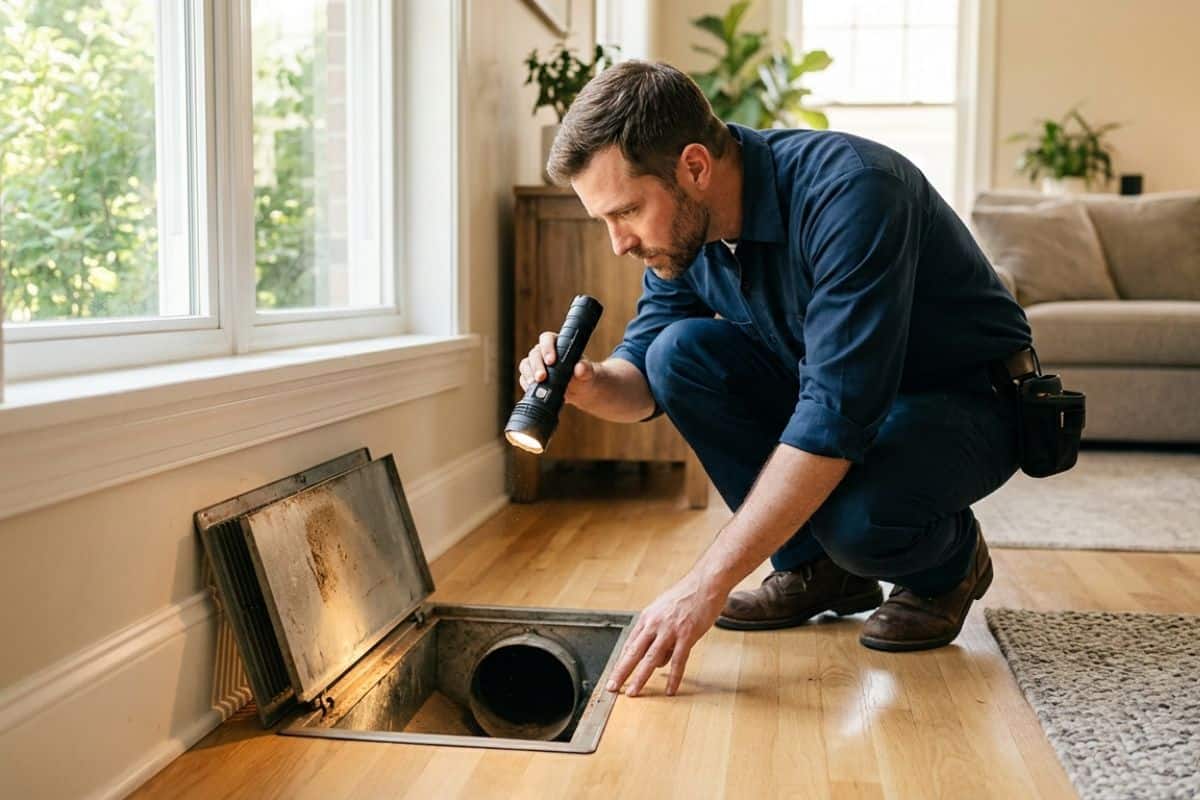
How often should air ducts be cleaned is one of the most common questions homeowners in Tulsa, OK ask when they start noticing dusty vents, rising energy bills, or unexplained allergy symptoms. The answer isn’t as simple as a single number — it depends on your home, your household, and the conditions your HVAC system operates in. But one thing is certain: most people wait far too long.
What the Experts Actually Recommend
The EPA recommends having your air ducts cleaned when there is visible mold growth inside the ducts or on components of your HVAC system, when ducts are infested with vermin, or when ducts are clogged with excessive dust and debris being released into your living spaces. You can review their full duct cleaning guidance for a complete breakdown of these triggers. Outside of those specific conditions, the general industry standard suggests a cleaning every three to five years for most households.
That said, three to five years is a baseline — not a hard rule. Many factors in Tulsa’s environment compress that timeline significantly.
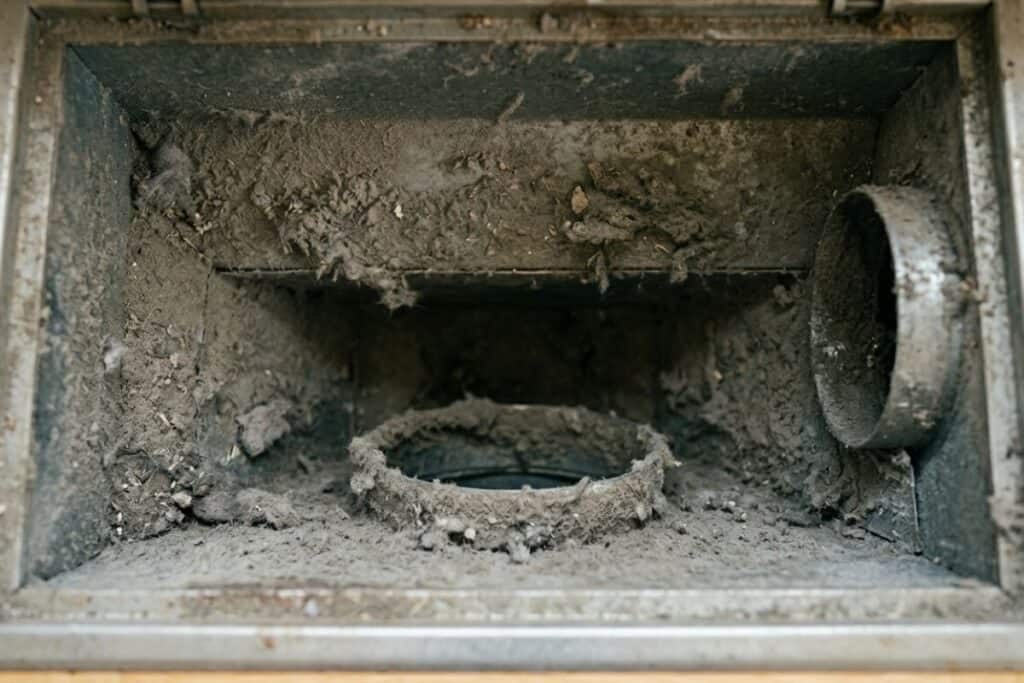
Why Tulsa Homes May Need More Frequent Cleaning
Tulsa sits in a region with hot, humid summers and unpredictable seasonal transitions. That combination creates conditions that accelerate dust accumulation, encourage mold spore growth inside duct systems, and force HVAC systems to work harder and longer than in milder climates. Add Oklahoma’s frequent wind events that push airborne particulates through any gaps in your home’s envelope, and it becomes clear why local homeowners often benefit from cleaning every two to three years instead of waiting the full five.
Homes with pets are another story entirely. Pet dander is one of the finest and most persistent particulates that circulates through an HVAC system. The American Lung Association notes that indoor air can be two to five times more polluted than outdoor air, and pet owners see that number climb even higher. If you have one or more dogs or cats, annual inspection and cleaning every one to two years is a reasonable approach.
Signs Your Air Ducts Need Cleaning Now — Not Later
Rather than waiting for a fixed interval to arrive on the calendar, it’s smarter to learn the warning signs your system gives you. One of the earliest indicators is a visible ring of dark dust forming around your supply registers. If you wipe one down and it’s dusty again within a day or two, your duct system is overloaded.
Other signs include a musty or stale odor when the system kicks on, inconsistent airflow between rooms, family members experiencing more frequent respiratory irritation or allergy flare-ups, and HVAC filters that seem to clog faster than they used to. Each of these symptoms tells you that what’s inside your ducts is making its way into your breathing air.
What Happens During a Professional Duct Cleaning
A proper air duct cleaning isn’t a quick vacuum job. Certified technicians use commercial-grade negative air pressure equipment to dislodge and extract debris from every section of the duct system, including supply lines, return lines, and the air handler itself. The National Air Duct Cleaners Association sets the professional standard, and any reputable company should follow their ACR (Assessment, Cleaning, and Restoration) protocol. The process typically includes brushing duct walls, applying negative pressure to pull debris toward collection equipment, cleaning coils and drain pans, and inspecting for damage or leaks that might be undermining your system’s efficiency.
How Duct Cleaning Affects Indoor Air Quality and Energy Costs
Beyond air quality, there’s a direct efficiency argument for regular duct maintenance. The U.S. Department of Energy estimates that heating and cooling systems</a> account for nearly half of a home’s energy consumption. When ducts are coated with debris and dust, the system works harder to push conditioned air through restricted pathways. That extra strain shows up on your monthly utility bill and shortens the operating life of your equipment.
Homeowners who maintain clean duct systems consistently report better temperature consistency room to room, reduced filter replacement frequency, and lower heating and cooling costs — all of which add up to real savings over the life of the system.
Specific Situations That Call for Immediate Cleaning
There are several life events that should trigger an unscheduled duct cleaning regardless of when you last had it done. Moving into a home where you don’t know the maintenance history is the most common one. A cleaning before you fully settle in gives you a clean baseline.
Major home renovations are another trigger. Construction dust — drywall particles, sawdust, insulation fibers — is extraordinarily fine and gets pulled into return air ducts in enormous quantities during any remodel project. Flood or water intrusion events, even minor ones, can introduce moisture into the duct system. That moisture, combined with the organic dust already present, creates conditions ripe for mold growth that can spread spores throughout every room in the house every time the system cycles.
Why Choose Tulsa Kwik Dry Total Cleaning
Tulsa Kwik Dry Total Cleaning brings years of professional cleaning experience to every air duct job in Tulsa, OK. The team uses industry-standard equipment and follows proven processes designed to extract contaminants without damaging your ductwork. Every technician is trained to identify secondary issues — mold, pest evidence, duct leaks — so nothing gets missed during the cleaning process. When you want cleaner air and a more efficient HVAC system, Tulsa Kwik Dry Total Cleaning delivers the results that matter.
Conclusion
Your air ducts quietly circulate air through your home thousands of times a day. What’s in them ends up in your lungs, on your furniture, and in your family’s breathing air. Waiting too long between cleanings means accepting lower air quality, higher energy bills, and more wear on an expensive system.
If you haven’t had your ducts inspected or cleaned in the last two to three years — or if you’ve never had it done — now is the right time to act. Call Tulsa Kwik Dry Total Cleaning today to schedule your professional air duct cleaning and breathe easier starting with your very next HVAC cycle.
Don’t let dirty ducts compromise your home’s air quality another season. Contact Tulsa Kwik Dry Total Cleaning and let our Tulsa team handle the work so you don’t have to think about it for years to come.
Frequently Asked Questions
How often should air ducts be cleaned in a typical home?
Most homes benefit from air duct cleaning every three to five years. Homes with pets, allergy sufferers, or residents who smoke may benefit from cleaning every one to two years. Your specific conditions matter more than a fixed schedule.
Can dirty air ducts make you sick?
Dirty air ducts can circulate dust, mold spores, pet dander, and other allergens throughout your home. This can worsen allergy symptoms, trigger asthma flare-ups, and contribute to general respiratory irritation, especially in sensitive individuals.
How do I know if my air ducts need cleaning?
Common signs include visible dust buildup around vents, musty odors when the HVAC runs, inconsistent airflow between rooms, and HVAC filters clogging faster than usual. If any of these are present, an inspection is warranted.
Does air duct cleaning improve HVAC efficiency?
Yes. When ducts are coated with debris, airflow is restricted and your system works harder to maintain temperature. Removing that buildup helps the system move air more freely, which can reduce energy consumption and extend equipment life.
How long does a professional air duct cleaning take?
For most average-sized homes, a thorough professional air duct cleaning takes between two and four hours. Larger homes or systems with significant buildup may require additional time.