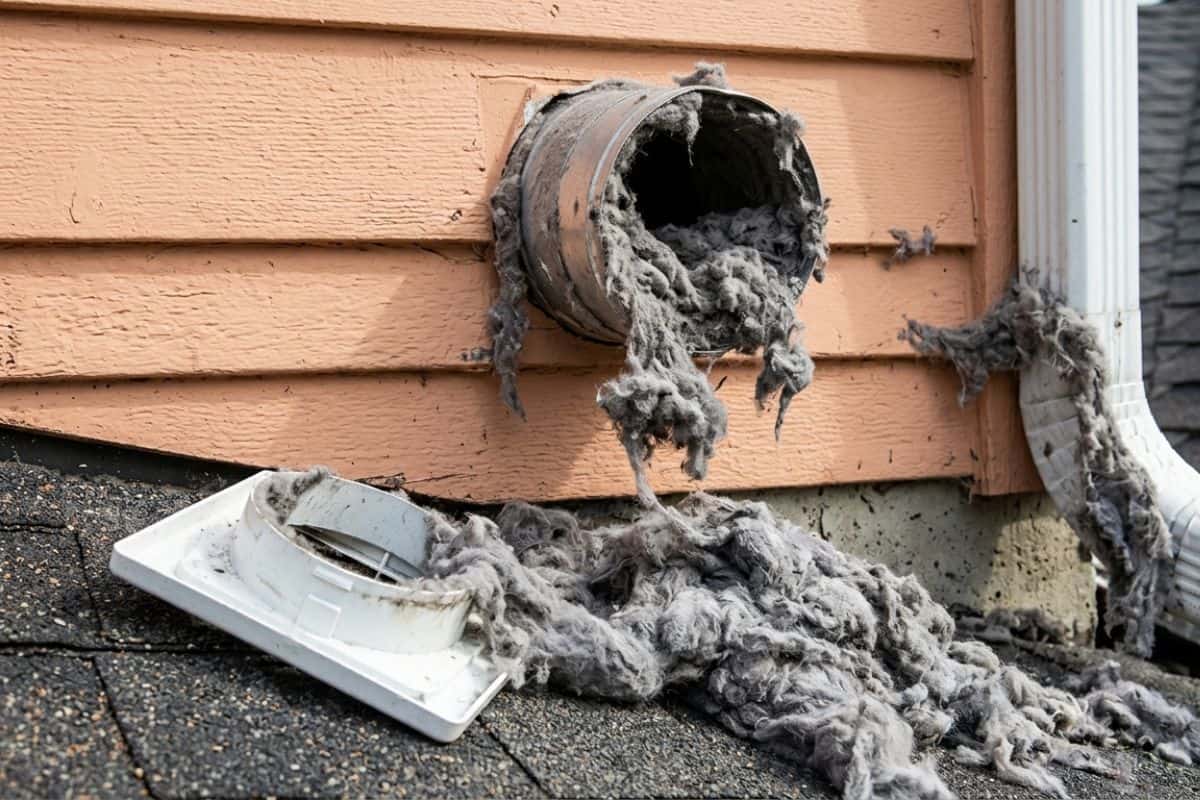
Learning to recognize the signs that the dryer vent is clogged, dangerous warning signals sent before they turn into a house fire, is one of the most important home-safety habits any homeowner in Tulsa, OK can build. Your dryer is one of the hardest-working appliances in the house, and every load it dries pushes hot, moist, lint-filled air out through the vent.
When that pathway gets restricted, the problems don’t stay small. They quietly grow into higher energy bills, a stressed-out machine, and a genuine fire hazard hiding behind the wall. The good news is that a clogged vent almost always tells you it’s in trouble — you have to know what to listen to and look for.
This guide walks through the seven clearest warning signs, explains why a blocked vent is so hazardous, and shows you exactly what to do next. Save this page, because the day your dryer starts acting strange, you’ll want it.
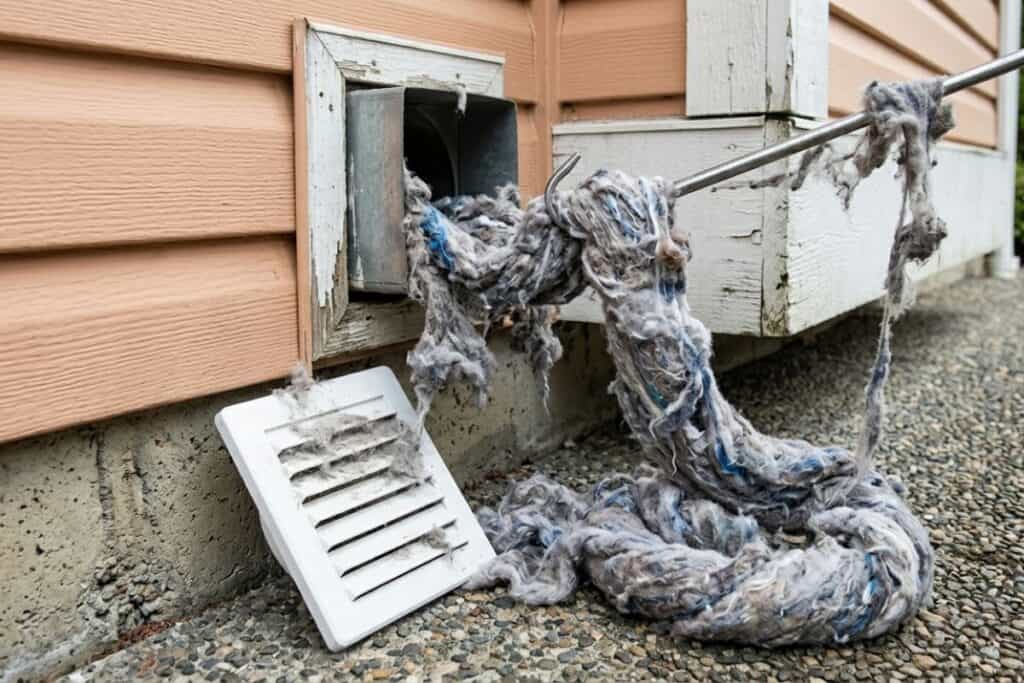
The Warning Signs Dryer Vent Is Clogged: Dangerous. Homeowners Should Never Ignore
Most dryer vent failures don’t happen overnight. They build over months as lint compresses inside the duct and at the exterior hood. Here are the seven signals that the airflow has been choked off.
1. Your Clothes Take Two or Three Cycles to Dry
This is the single most common red flag. A healthy dryer should finish a normal load in roughly 30 to 45 minutes. When a vent is partially blocked, hot air can’t escape, and fresh air can’t move through the drum, so moisture lingers in the fabric. If you find yourself running everything a second time or pulling out clothes that are still damp and warm, the problem usually isn’t the dryer—it’s the vent behind it.
2. A Hot Burning Smell During or After a Cycle
A faint scorched or burning odor near the dryer is never normal and should never be ignored. Lint is highly combustible, and when it accumulates against a hot exhaust path, it can begin to singe. If you ever smell something burning, stop the machine immediately, unplug it, and do not run another load until the vent has been inspected and cleaned.
3. The Dryer, the Laundry Room, or Your Clothes Feel Excessively Hot
When exhaust heat has nowhere to go, it radiates back into the appliance and the surrounding space. A dryer that is too hot to touch on top comfortably, a laundry room that turns into a sauna during a cycle, or clothes that come out almost uncomfortably hot are all telling you that trapped heat is building inside a system designed to vent it.
4. Visible Lint Around the Dryer or the Outside Vent Opening
Take a walk outside while the dryer is running and find the exterior vent hood. You should feel a strong, steady stream of warm air. If the airflow is weak, or you see lint clinging to the hood, the siding, or piling up behind the machine indoors, the duct is backing up and pushing debris out wherever it can.
5. The Exterior Vent Flap Won’t Open
The little louvered flap on the outside vent should swing open while the dryer runs and rest closed when it stops. If it barely lifts, stays shut, or is crusted over with lint and grime, exhaust pressure is too weak to push it open — a clear indication the duct is obstructed somewhere along its length.
6. A Musty or Stale Odor on “Clean” Laundry
When humid air can’t exit the vent, that moisture has nowhere to go but back into your clothes. Laundry that smells damp, musty, or mildewed even after a full cycle is a sign the system is recirculating moisture instead of expelling it and that lingering dampness inside the duct can also encourage mold growth.
7. It’s Been More Than a Year Since Your Last Cleaning
Sometimes the most dangerous sign is the absence of any maintenance. Lint builds gradually and silently, so a vent can be severely restricted long before you notice symptoms. If you can’t remember the last time your vent was professionally cleaned — or it has never been done — assume it needs attention, especially in a busy household that runs the dryer several times a week.
Don’t wait for a small warning sign to become a costly emergency. Schedule your professional dryer vent cleaning with Tulsa Kwik Dry Total Cleaning today and breathe easier knowing your home is protected.
The Hidden Dangers of a Clogged Dryer Vent
It’s easy to treat slow drying as a minor annoyance, but a restricted vent creates serious risks that go far beyond inconvenience:
- Fire hazard: Lint is one of the most flammable materials in your home, and clothes dryers are a leading cause of residential structure fires every year. A clogged vent provides the fuel and the heat needed to start one.
- Carbon monoxide exposure: Gas dryers rely on a clear vent to safely carry combustion byproducts, including carbon monoxide, out of the house. A blockage can force that colorless, odorless gas back indoors.
- Premature appliance failure: Constant overheating wears down the dryer’s heating element, thermostat, and motor, often leading to expensive repairs or full replacement years before you’d expect.
- Wasted energy and higher bills: A dryer fighting against a blocked vent runs longer and works harder on every load, quietly inflating your monthly utility costs.
Any one of these is reason enough to act. Together, they make routine vent cleaning one of the highest-value, lowest-cost things you can do for your home.
What to Do the Moment You Notice These Signs
If your dryer is showing even one of the warning signs above, the safest move is to stop relying on it for full loads and schedule a professional inspection. Pulling out the lint screen and cleaning it helps with surface lint, but it does nothing for the duct running through your wall, attic, or crawlspace — and that hidden section is where the real danger accumulates. A trained technician uses specialized rotary brushes and high-powered vacuums to clear the entire run, then verifies airflow at the exterior hood to ensure the system is genuinely safe again.
Why Choose Tulsa Kwik Dry Total Cleaning
Homeowners across Tulsa, OK, trust our team because we treat dryer vent cleaning as a safety service, not just a chore. As a local company, we understand the home styles, duct layouts, and seasonal demands common across the Tulsa area, which means we work efficiently and get the job done right the first time.
Rather than focusing only on the parts of the vent you can see, we clean the full length of the duct and confirm that airflow has been properly restored before we leave your home. Our technicians are trained professionals who use commercial-grade equipment and follow a careful, proven process designed to protect both your appliance and your household.
Just as importantly, we believe in honest, straightforward service — you’ll always get a clear explanation of what we found and what we did, with no upselling and no surprises.
Conclusion
A clogged dryer vent rarely fails quietly forever — it warns you first. Longer drying times, burning smells, excess heat, weak exterior airflow, a stuck vent flap, musty laundry, and overdue maintenance are the seven signals your home is at risk.
Recognizing them early is the difference between a quick, affordable cleaning and a dangerous, expensive emergency. If your dryer has been showing any of these symptoms, treat it as the priority it is.
Protect your family, your home, and your appliance — book your dryer vent cleaning with Tulsa Kwik Dry Total Cleaning now and put this worry behind you for good.
Frequently Asked Questions
1. How often should a dryer vent be cleaned?
Most households should have their dryer vent professionally cleaned once a year. Homes that run the dryer frequently, have long or winding duct runs, or include a large family may benefit from more frequent cleaning.
2. Can I clean the dryer vent myself?
You can clean the lint trap and the immediate area behind the dryer yourself. However, the full duct run inside walls or attics usually requires professional brushes and vacuums to be cleaned thoroughly and safely.
3. How long does a professional dryer vent cleaning take?
Most standard residential cleanings take about 45 minutes to an hour, depending on the length of the duct, its layout, and the amount of buildup since the last cleaning.
4. Does a clogged dryer vent really cause house fires?
Yes. Lint is highly flammable, and dryers are a recognized leading cause of home structure fires. Keeping the vent clear significantly reduces this risk.
5. Is dryer vent cleaning the same as cleaning the lint trap?
No. The lint trap catches only a portion of the lint. A large amount still travels into the vent duct, a hidden area that needs to be cleaned separately and thoroughly.