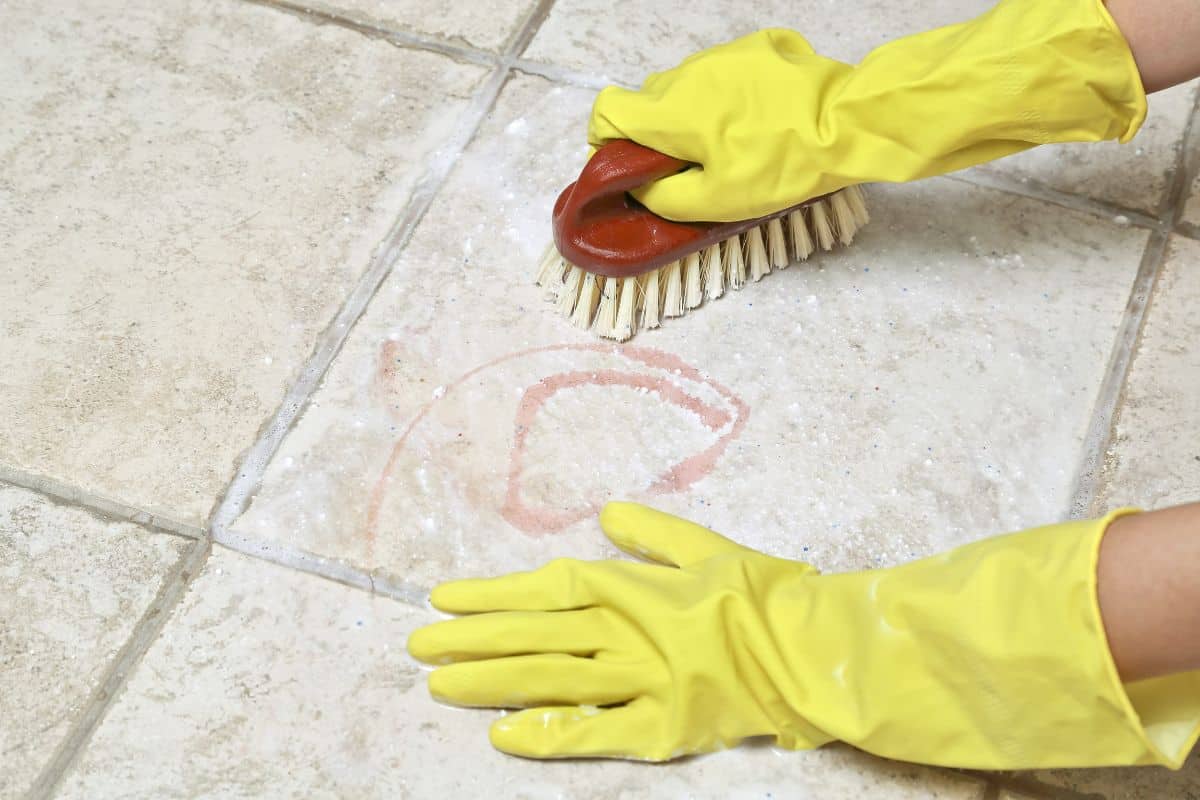
If you’ve ever wondered how to clean grout without scrubbing for hours, you are not alone — it’s one of the most common cleaning frustrations homeowners in Tulsa face. That grimy, discolored line between your tiles can make an otherwise spotless bathroom or kitchen look years older than it actually is.
The good news? You don’t need to spend an entire Saturday on your hands and knees with a toothbrush. With the right methods, the right products, and a little patience, grout can go from gray and gunky to bright and fresh in far less time than you think.
This guide walks you through seven genuinely effective methods — from pantry staples to professional-grade techniques — so you can choose what works best for your home, your tile type, and your schedule.
Why Grout Gets So Dirty (And Why It’s Not Your Fault)
Before diving into solutions, it helps to understand the problem. Grout is porous by nature. That means it soaks up moisture, dirt, soap residue, cooking oils, and even airborne bacteria over time. Unlike the smooth surface of ceramic or porcelain tile, grout has microscopic channels that trap particles deep within it. No matter how often you mop, regular cleaning tools barely skim the top layer.
Humidity makes things worse. In Tulsa, OK, where summers are hot and humid, bathrooms and laundry rooms can trap moisture, accelerating the darkening and growth of mold and mildew in grout joints. This means your grout isn’t just dirty — it’s often biologically compromised, which is why surface scrubbing rarely delivers the dramatic results you’re hoping for.
Understanding this is the first step toward cleaning smarter, not harder.
Method 1: Baking Soda and Vinegar — The Classic Combo
This is the starting point for most DIY grout cleaning, and for good reason. Baking soda is a mild abrasive that lifts surface stains without scratching tile, while white vinegar’s acidity breaks down mineral deposits and soap scum.
To use this method, sprinkle a generous layer of baking soda along the grout lines, then spray or pour undiluted white vinegar directly over it. You’ll see it fizz — that’s the chemical reaction doing the work for you. Let it sit for 10 to 15 minutes, then wipe away with a damp cloth or a soft brush. For most light-to-moderate staining, this alone will noticeably brighten your grout without the need for vigorous scrubbing.
One important note: avoid this method on natural stone tiles, such as marble or travertine. The acidity of vinegar can etch the surface of these materials. Stick to ceramic, porcelain, or glazed tile.
Method 2: Hydrogen Peroxide Paste — Best for Stubborn Stains
For grout that’s beyond the basic baking soda treatment, hydrogen peroxide is your next best friend. Mix hydrogen peroxide (standard 3% from any pharmacy) with baking soda until a thick paste forms. Apply this paste directly to discolored grout lines and let it sit for at least 20 to 30 minutes.
The hydrogen peroxide acts as a mild bleaching agent while the baking soda gives it just enough texture to stay on vertical surfaces and inside grout channels. After the dwell time, use a stiff-bristled brush (a repurposed electric toothbrush works brilliantly here) for a brief scrub — you’ll find the stain comes off in seconds rather than the usual back-breaking minutes.
This method is particularly effective on colored stains from wine, coffee, or food spills in kitchen tile grout.
Method 3: Oxygen Bleach — Safe, Powerful, and Widely Underused
Oxygen bleach (commonly sold under brand names like OxiClean) is one of the most underrated grout cleaners available. Unlike chlorine bleach, it won’t discolor your grout, damage your tile finish, or produce harsh fumes. It works by releasing oxygen molecules that penetrate deep into the porous grout surface, breaking apart stains from the inside out.
Mix oxygen bleach powder with warm water according to the package directions and apply it generously to your grout lines. Let it soak for 30 minutes to an hour — the longer you wait, the deeper it penetrates. Then wipe clean with a damp cloth. In many cases, especially on floor tile grout that hasn’t been deep cleaned in a while, this single step can restore grout to near-original color.
This is one of the most effortless methods on this list because the product literally does the work while you do something else entirely.
Method 4: Steam Cleaning — Heat That Lifts Everything
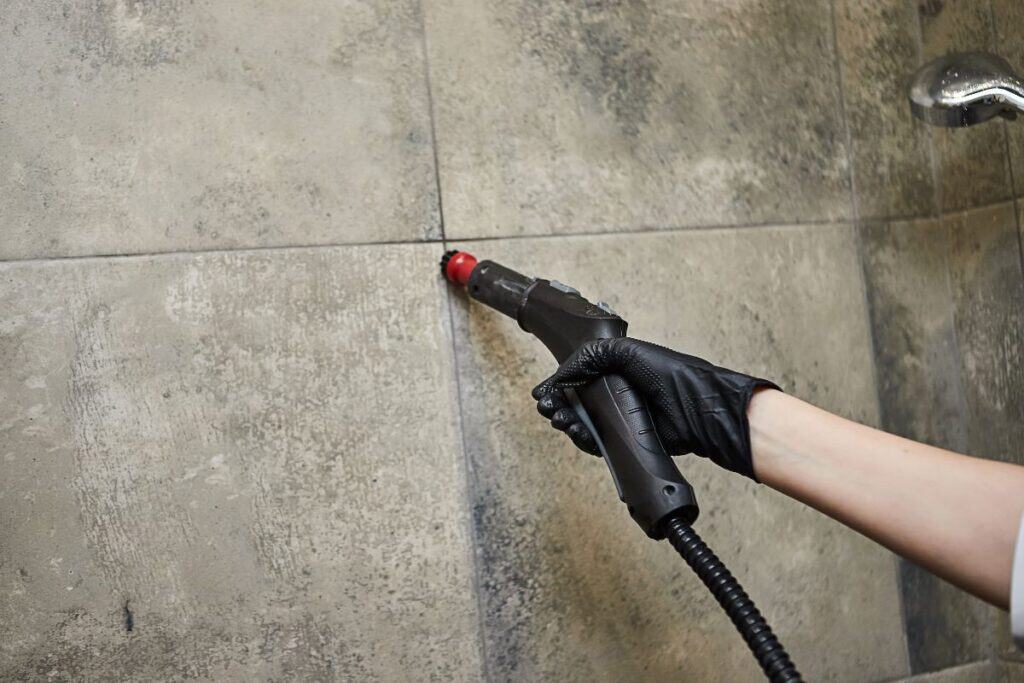
A steam cleaner is a game-changer for grout. The high-pressure steam penetrates deeply into grout pores, loosening and lifting dirt, grease, mold, and grime without any chemicals. It’s safe for virtually all tile types, including natural stone, and it sanitizes at the same time.
Most handheld steam cleaners come with a narrow nozzle attachment that fits perfectly into grout lines. Run it slowly along each grout joint, then immediately follow with a microfiber cloth to wipe away what’s been loosened. The results are often stunning — and the whole process for an average bathroom can take under 20 minutes.
If you don’t own a steam cleaner, many hardware stores in Tulsa rent them by the day. For the investment, it’s absolutely worth trying before reaching for harsher chemical solutions.
Method 5: Commercial Grout Cleaners With Enzyme Formulas
Enzyme-based commercial grout cleaners are specially formulated to target organic matter — the mold, mildew, and bacteria that standard cleaners miss. These products contain live enzymes that essentially “digest” the biological content trapped in your grout, addressing the root cause of that persistent dark or black discoloration.
Spray the cleaner, allow the dwell time specified on the product label (usually 5 to 15 minutes), then wipe. These products are especially effective in bathrooms and around pet areas where biological contamination is most likely.
Look for enzyme-based formulas at home improvement stores and always follow the manufacturer’s instructions regarding ventilation and surface compatibility.
Method 6: Grout Pen or Colorant — When Cleaning Isn’t Enough
Sometimes grout has been stained so deeply or deteriorated so significantly that cleaning alone won’t restore it. That’s where grout colorants and grout pens come in. These products don’t clean — they coat the grout surface with a fresh layer of pigment, essentially recoloring it to look brand new.
This method works best after a thorough cleaning, so use it as a finishing touch after applying one of the methods above. It’s particularly useful for white grout that has permanently yellowed with age, or for grout in high-traffic areas like entryways and mudrooms.
The result can look remarkably close to a professional re-grouting job — at a fraction of the cost and effort.
Method 7: Sealing Your Grout After Cleaning — The Step Most People Skip
Here’s the method that most homeowners skip entirely, and it’s arguably the most important one on this list. After you’ve deep-cleaned your grout using one of the methods above, seal it.
Grout sealer creates a protective barrier over the surface of the grout, filling in those microscopic pores that would otherwise continue to absorb stains and moisture. A quality sealer will keep your freshly cleaned grout looking clean for 12 to 24 months with normal maintenance.
Applying sealer is simple — most come in a bottle with an applicator tip or roller. Run it along each grout line, let it cure per the product instructions, and you’re done. This single step can cut your future grout cleaning time in half.
When DIY methods aren’t cutting it, Tulsa Kwik Dry Total Cleaning is ready to restore your grout to like-new condition with commercial-grade equipment. Call us today and get it done right the first time.
Maintenance Tips to Keep Grout Clean Longer
The best way to avoid hours of scrubbing is to prevent the buildup in the first place. After showers, use a squeegee on your tile walls to push water away from grout lines. In the kitchen, clean up spills immediately before they have a chance to seep into the grout. Ventilate bathrooms thoroughly to reduce humidity, particularly in Tulsa’s warm climate. And once a week, a quick spray of diluted daily shower spray can maintain cleanliness between deeper cleaning sessions.
Why Choose Tulsa Kwik Dry Total Cleaning
We’re not just another cleaning company. Tulsa Kwik Dry Total Cleaning is a locally rooted business serving homeowners and businesses across Tulsa, OK, with a commitment to delivering results that genuinely exceed expectations. Here’s what sets us apart.
Our technicians are trained, certified, and experienced specifically in tile and grout restoration — not just general cleaning. We use professional-grade equipment that generates far more heat, pressure, and suction than anything available for consumer purchase, which means we’re physically removing dirt and contaminants from deep inside grout pores, not just treating the surface.
We’re also honest. If we assess your grout and believe it needs re-grouting rather than cleaning, we’ll tell you that upfront rather than take your money for a service that won’t deliver the results you need. That kind of transparency is rare, and it’s something our Tulsa customers consistently cite when they refer us to their friends and neighbors.
We stand behind our work. Our goal is to become your trusted cleaning partner for years to come. When you call Tulsa Kwik Dry Total Cleaning, you’re not calling a national franchise with a 1-800 number. You’re calling a local team that cares about this community because we live and work here, too.
Conclusion
Cleaning grout doesn’t have to be a dreaded, all-day ordeal. With the right method for the right level of staining — whether that’s a simple baking soda and vinegar treatment, a powerful oxygen bleach soak, or a steam clean — you can achieve dramatically better results in far less time. And once your grout is clean, sealing it is the single most important thing you can do to keep it that way.
That said, no DIY method replaces the depth and effectiveness of professional tile and grout cleaning. For Tulsa homeowners who want truly restored, sanitized, and long-lasting results, Tulsa Kwik Dry Total Cleaning is ready to help. Life is too short to spend it scrubbing. Let the professionals take it from here.
Don’t wait until your grout is beyond saving. Contact Tulsa Kwik Dry Total Cleaning today for a professional tile-and-grout cleaning assessment — your floors and walls deserve it.
Frequently Asked Questions
Q: How often should I deep clean my grout?
A: For most households, a thorough deep clean every three to six months is sufficient. High-traffic areas like entryways and kitchen floors may need more frequent attention. Regular sealing after each deep clean significantly extends the time between sessions.
Q: Is it safe to use bleach on grout?
A: Chlorine bleach can be used sparingly on white grout in ceramic or porcelain tile, but it should never be used on colored grout, as it can permanently bleach the pigment out. It also breaks down grout over time with repeated use. Oxygen bleach is a safer and equally effective alternative.
Q: Can professional cleaning damage old or fragile grout?
A: A reputable professional cleaning company will assess the condition of your grout before applying any method. In cases where grout is cracked, crumbling, or severely compromised, a professional will recommend repair or re-grouting rather than cleaning to avoid further damage.
Q: Why does my grout keep turning dark even after I clean it?
A: If your grout darkens quickly after cleaning, it likely hasn’t been sealed. Unsealed grout acts like a sponge, reabsorbing moisture and dirt almost immediately. Applying a quality grout sealer after each cleaning will solve this problem.
Q: How long does professional grout cleaning take?
A: For a standard bathroom, professional tile and grout cleaning typically takes between one and two hours. Larger areas, such as kitchens or entire home floors, may take longer. Tulsa Kwik Dry Total Cleaning will give you a time estimate during your initial consultation.