Knowing how often the dryer vent should be cleaned is one of the most overlooked yet critical pieces of home maintenance knowledge a homeowner in Tulsa, OK can have and the answer might surprise you. Most people assume lint is just a minor nuisance.
Still, industry experts and fire safety organizations consistently point to clogged dryer vents as a leading cause of house fires across the country. If you’ve never had your dryer vent professionally cleaned, or if it’s been more than a year since the last service, this guide is for you.
The Expert Answer: How Often Should a Dryer Vent Be Cleaned?
The National Fire Protection Association (NFPA) recommends that dryer vents be professionally cleaned at least once per year. However, that’s a baseline — and for many Tulsa households, annual cleaning may not be enough.
Depending on your household’s laundry habits and the length or configuration of your venting system, more frequent cleanings may be necessary. Here’s a simple breakdown:
- Every 6 months, if you have a large family doing 5 or more loads per week, or if your vent run is longer than 15 feet or has multiple bends.
- Annually for average households with standard vent configurations.
That said, your dryer itself will often give you signs it needs attention well before any calendar reminder. Paying attention to those signals is just as important as scheduling routine maintenance.
Why Dryer Vent Cleaning Is More Important Than You Think
Many homeowners in Tulsa, OK, treat dryer vent cleaning as optional maintenance. It isn’t. Here’s the reality:
The U.S. Fire Administration reports that dryers are responsible for approximately 2,900 home fires annually, with the leading cause being failure to clean. Lint is highly flammable — it ignites quickly and burns hot. When lint accumulates inside the vent duct over time, it creates the perfect conditions for a fire to start without warning.
Beyond fire risk, a clogged vent puts serious strain on your dryer. The appliance has to work harder and run longer to dry the same load of laundry. That means higher utility bills, faster mechanical wear, and a shortened appliance lifespan. In Tulsa’s hot summers, the extra heat a struggling dryer generates inside your home can also put additional load on your air conditioning system — compounding your energy costs in two directions at once.
The bottom line: Regular dryer vent cleaning protects your home, your family, your appliance, and your wallet.
Warning Signs Your Dryer Vent Needs Cleaning Right Now
Don’t wait for your annual appointment if you’re noticing any of the following:
Your clothes are taking longer to dry. If a single normal load now takes two full cycles, restricted airflow through a clogged vent is almost always the culprit.
Your dryer or laundry room feels unusually hot. A dryer that’s working properly exhausts heat and moisture efficiently outside your home. When that pathway is blocked, heat backs up — and so does moisture.
You notice a burning smell. This is an urgent warning sign. Lint near the heating element can smolder before igniting. If you smell something burning during a drying cycle, stop the dryer immediately and call a professional.
It’s been over a year since the last cleaning. Even if you haven’t noticed any symptoms, a full year of regular use can build up significant lint accumulation that isn’t visible from the outside.
Your dryer’s exterior vent flap doesn’t open fully during operation. Reduced airflow means lower exhaust pressure, so the flap doesn’t open properly. Step outside and check it on your next drying cycle.
How Often Should the Dryer Vent Be Cleaned in Different Home Types?
Understanding how often the dryer vent should be cleaned also depends on your specific living situation. There’s no one-size-fits-all schedule.
- Single-family homes with long vent runs: Homes in Tulsa’s suburban neighborhoods often have longer vent runs — sometimes 20 to 30 feet — that run through walls, floors, or ceilings before reaching an exterior exit. Longer runs with multiple elbows trap lint more aggressively and require more frequent cleaning, often every six months.
- Condos and apartments with shared or vertical venting: Multi-story buildings sometimes run dryer vents vertically or share a duct system. These configurations are particularly prone to buildup and often require professional cleaning more than once a year.
- Homes with gas dryers: Gas dryers have a slightly different risk profile because a clogged vent can cause carbon monoxide to back up into the living space in addition to the standard fire risk. If you have a gas dryer in your Tulsa home, consistent annual cleaning is essential — and more frequent inspection is wise.
- Households with pets: Pet hair is the wild card in dryer vent cleaning frequency. It accumulates in the lint trap and deeper in the vent duct much faster than standard lint. Pet owners should clean their dryer vents every 6 to 9 months, regardless of how often they use the dryer.
What Happens During a Professional Dryer Vent Cleaning?
When you schedule a dryer vent cleaning with Tulsa Kwik Dry Total Cleaning, here’s what you can expect:
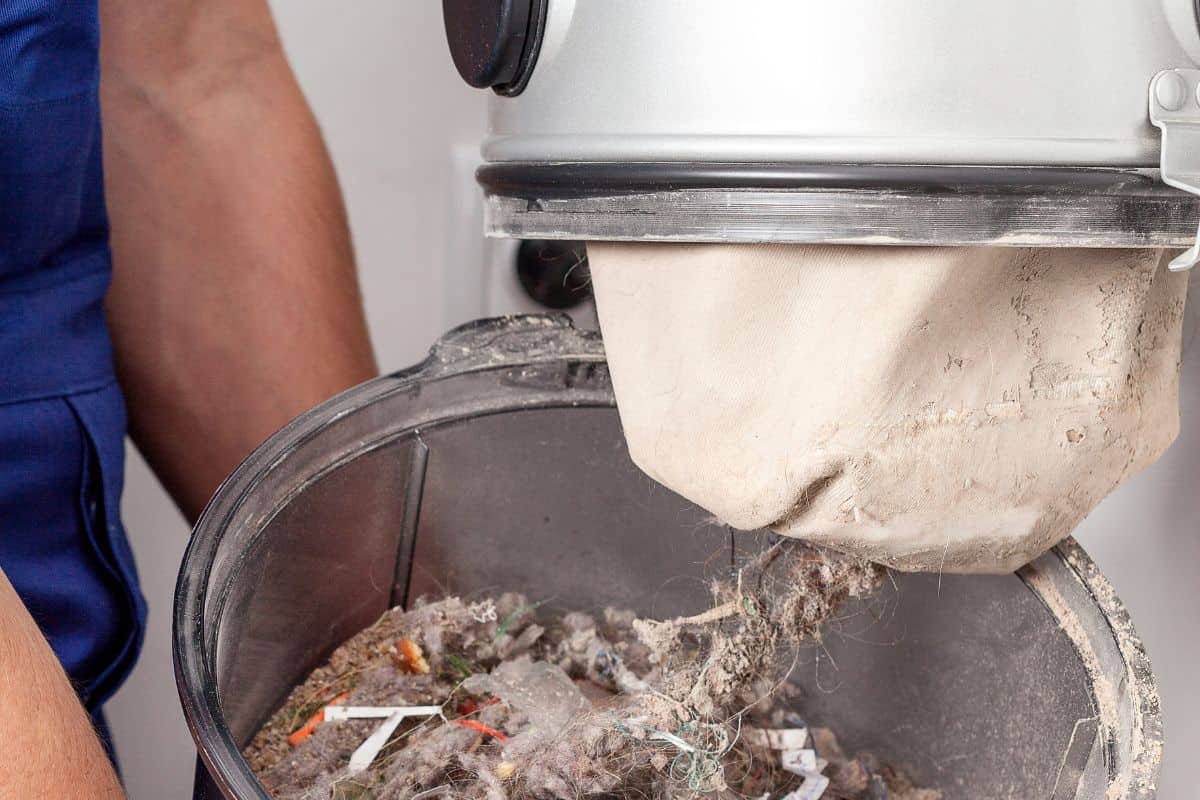
A trained technician inspects the entire vent system from the back of the dryer to the exterior exhaust point. Using professional-grade rotary brush equipment and high-powered vacuum tools, the technician removes accumulated lint, debris, and any blockages from the full length of the duct. They also check for any crushed, kinked, or improperly installed vent sections that could be restricting airflow or creating fire hazards.
After the cleaning, you’ll have documentation of the service, confirmation that your exterior exhaust is clear and functioning properly, and peace of mind that your home’s fire risk has been significantly reduced.
The entire process typically takes 45 minutes to an hour for a standard residential vent. The investment is minor compared to the potential financial and other costs of a dryer fire or a prematurely failed appliance.
Contact Tulsa Kwik Dry Total Cleaning today and schedule your dryer vent cleaning. Our experienced team serves homeowners across the Tulsa area with fast, thorough, and affordable service. Don’t wait for a symptom to become a disaster.
How to Keep Your Dryer Vent Cleaner Between Professional Services
Professional cleanings address the deep-duct buildup you can’t handle on your own. But some habits reduce the accumulation between service visits:
Always clean the lint trap before every single load — not every few loads, every single one. A clean lint trap reduces the amount of lint that reaches the duct.
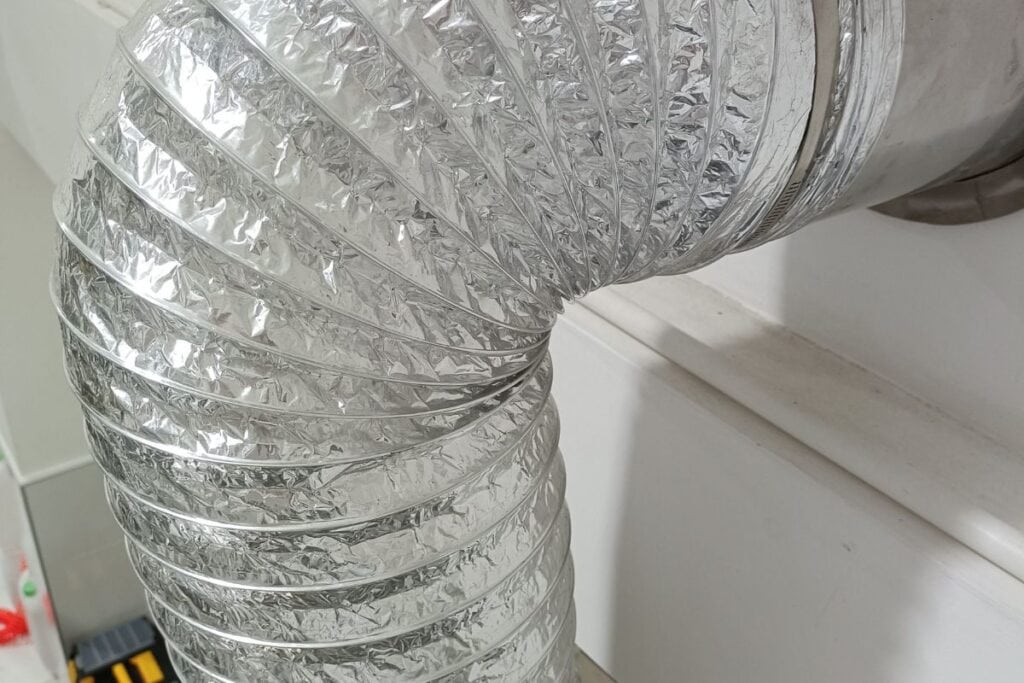
Use only rigid or semi-rigid metal ductwork behind your dryer. Flexible foil or plastic accordion-style hoses are common in older Tulsa homes, but they trap lint at every fold and are significantly more prone to causing fires. If your dryer is connected to flexible plastic or foil ducting, replacing it with rigid metal is one of the highest-value upgrades you can make.
Make sure the area behind your dryer allows at least a few inches of clearance so the duct doesn’t kink or crimp against the wall. A kinked duct dramatically reduces airflow even when the duct itself is clean.
Avoid drying items that have been in contact with flammable substances like gasoline, cooking oil, or solvents — even after washing. These residues can remain in fabric and become ignition risks when exposed to dryer heat.
Why Choose Tulsa Kwik Dry Total Cleaning
When it comes to something as important as dryer vent safety in your Tulsa home, who you call matters. Tulsa Kwik Dry Total Cleaning brings professional-grade equipment, trained technicians, and a commitment to thoroughness that sets us apart from DIY solutions or general handyperson services.
We understand Tulsa homes — the vent configurations common in the area, the impact of the local climate on lint accumulation, and the specific concerns of families in this community. Every cleaning we perform is designed not just to remove visible lint, but to ensure the entire airflow pathway from your dryer to the outside world is clear, safe, and functioning as it should.
Our customers trust us because we’re consistent, transparent, and genuinely invested in the safety of the homes we serve. We don’t upsell services you don’t need. We tell you what we find, what we did, and what if anything you should watch for going forward.
Tulsa homeowners deserve service they can count on. That’s exactly what we deliver. Visit us to book your appointment or learn more about our full range of cleaning services.
Conclusion
Understanding how often the dryer vent should be cleaned isn’t just a matter of appliance care — it’s a matter of home safety. Experts agree that most households need professional dryer vent cleaning at least once per year, with higher-use households, longer vent runs, and pet owners needing service more frequently. The warning signs are real, the fire risk is documented, and the solution is straightforward.
Don’t put it off. A one-hour professional cleaning from Tulsa Kwik Dry Total Cleaning can prevent years of compounding risk and keep your home in Tulsa, OK, running safely and efficiently. Reach out today — your dryer vent (and your family) will thank you.
Frequently Asked Questions
Q: How often should the dryer vent be cleaned for a typical family of four?
A: For a family of four doing roughly 5–8 loads of laundry per week, most experts recommend professional cleaning every 6 to 12 months, depending on the length and configuration of your vent duct.
Q: Can I clean my dryer vent myself?
A: You can clean the first few feet of the duct near the dryer using a brush kit from a hardware store, but professional cleaning is necessary to clear the full length of the duct, especially in vents with multiple bends or long runs through walls.
Q: How do I know if my dryer vent is clogged?
A: Common signs include clothes taking longer than one cycle to dry, the dryer running unusually hot, a burning smell during operation, and the exterior vent flap not opening fully while the dryer runs.
Q: Does homeowner’s insurance cover dryer vent cleaning?
A: Routine maintenance like dryer vent cleaning is typically not covered by homeowner’s insurance. However, neglecting it can give insurance companies grounds to dispute fire-damage claims. Keeping records of regular service visits is always a smart practice.
Q: How long does a professional dryer vent cleaning take?
A: For a standard residential home in Tulsa, OK, a professional cleaning typically takes between 45 minutes and one hour. More complex systems with longer runs or multiple bends may take slightly longer.